Reactive vs Strategic HR: measurable shifts that matter
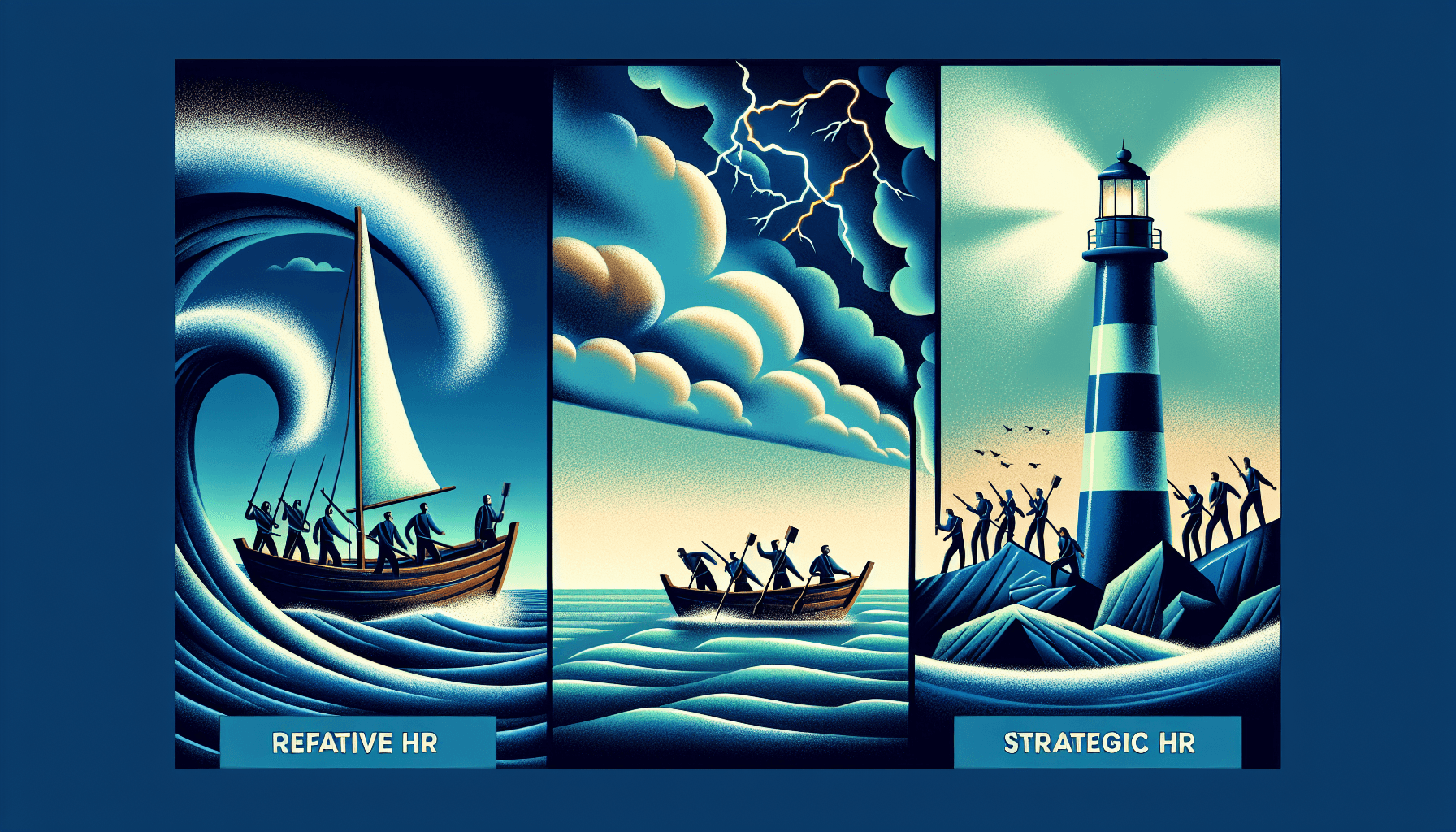
Reactive HR fills vacancies as they appear. Strategic HR builds pipelines, aligns hires to business goals and treats hiring as a predictable process rather than a crisis response.
The gap shows up in numbers. Tech hiring averages 60+ days to fill a role; each open position can cost about $500 USD/day in lost productivity. Candidates notice delays: 67% drop out of processes longer than two weeks.
Strategic teams change three levers: process, metrics and automation. Process: maintain prioritized talent pools for critical roles. Metrics: track time-to-hire, cost-per-hire and dropout rates. Automation: reduce manual screening so qualified applicants aren’t lost to format issues — approximately 75% of strong CVs are discarded for presentation reasons.
The operational impact is concrete. Recruiters spending 23 hrs/week screening CVs can redirect effort to candidate experience and hiring strategy, cutting time-to-hire toward 14 days in efficient models. That translates into faster project starts and lower replacement costs.
For a VP of HR, the imperative is strategic reallocation: identify high-impact hires, implement data-driven filters and measure financial outcomes. The move from reactive to strategic is measurable, repeatable and tied directly to business delivery.